
[ TECHNICAL DEEP DIVE ]
Temperature and Shipment Monitoring for Cold Chain Fleets: A Partner's Guide
Cold chain transportation requires careful monitoring of both vehicle movement and shipment conditions. Businesses transporting pharmaceuticals, fresh produce, dairy products, frozen goods, and other temperature-sensitive materials must maintain suitable conditions throughout the journey. Delays, equipment issues, and temperature variations can affect product quality and create operational challenges. GPS tracking devices and temperature monitoring sensors help transport operators collect information about vehicle locations and shipment conditions. When connected to a compatible telematics platform, these devices can provide visibility into route progress, temperature readings, and configured alerts. This guide explores the key technologies used in cold chain fleet monitoring and the factors B2B partners should evaluate before recommending hardware.

Why Temperature and Shipment Monitoring Matters
Cold chain fleets transport products that may require specific temperature conditions during storage and transit. Monitoring these conditions helps businesses identify potential issues and review shipment information throughout the transportation process.
A connected monitoring solution can help operators:
- Monitor vehicle locations and route progress.
- Review temperature readings during transportation.
- Receive alerts when configured temperature thresholds are exceeded.
- Identify unexpected stops and route deviations.
- Maintain historical shipment monitoring records.
- Review temperature variations during a journey.
The actual monitoring capabilities depend on the selected sensors, GPS tracking devices, communication network, and software platform.
Temperature Monitoring for Refrigerated Transport
Temperature monitoring is a central requirement in cold chain transportation. Refrigerated trucks and delivery vehicles may carry products with different temperature requirements, making accurate and consistent monitoring important.
Temperature sensors collect readings from selected locations and transmit the information to a compatible monitoring device or gateway.
Key Sensor Features to Evaluate
Before recommending temperature monitoring hardware, telematics partners should review:
- Measurement range: Confirm that the sensor supports the temperature range required for the transported products.
- Accuracy: Check the manufacturer's stated accuracy and measurement conditions.
- Resolution: Review the smallest temperature change the sensor can report.
- Reporting interval: Determine how frequently temperature readings are collected and transmitted.
- Communication method: Check whether the sensor uses BLE, 1-Wire, or another supported connection.
- Environmental protection: Evaluate the sensor's suitability for moisture, condensation, and operating conditions inside refrigerated vehicles.
Sensor placement also matters. A reading near an air outlet may differ from one taken elsewhere in the refrigerated compartment. The monitoring configuration should reflect the customer's requirements and the relevant product-handling procedures.
GPS Tracking for Cold Chain Fleets
Temperature readings alone do not provide complete shipment visibility. Transport operators also need to know where vehicles are travelling and whether deliveries are progressing according to schedule.
GPS tracking devices help monitor vehicle locations and movement through a connected fleet management platform.
Important GPS Tracking Capabilities
- Vehicle location: View reported vehicle positions during transportation.
- Route history: Review previous journeys and compare vehicle movement with planned routes.
- Geofencing: Define virtual boundaries around warehouses, distribution centres, and delivery locations. Platforms can generate notifications when vehicles enter or leave these areas.
- Unexpected stop alerts: Identify stops that exceed configured time limits, depending on device and platform capabilities.
- Offline data buffering: Some trackers can store supported records during temporary network interruptions and transmit them after connectivity returns.
For telematics resellers, the selected GPS tracker should support the customer's operating regions, reporting requirements, and existing software platform.
Combining Temperature Sensors and GPS Tracking
GPS tracking and temperature monitoring provide different types of information. Combining them can give cold chain operators a more complete view of shipment activity.
For example, if a refrigerated vehicle experiences a temperature variation, GPS records can help identify its location and route at the relevant time. Temperature sensor records can provide additional information about the conditions inside the monitored area.
This combination can help businesses:
- Review shipment conditions alongside vehicle movement.
- Investigate temperature-related incidents.
- Identify locations associated with repeated temperature variations.
- Maintain records for operational reviews.
- Improve coordination between transport and logistics teams.
For system integrators, it is important to confirm that the GPS tracker, temperature sensor, and monitoring platform can exchange the required data.
Connectivity and Data Transmission
Cold chain vehicles may travel across cities, remote highways, and international borders. Cellular connectivity can vary across these routes, affecting the availability of live tracking and temperature information.
Partners should evaluate the following connectivity requirements.
1. Cellular Network Compatibility
Check the GPS tracker's supported cellular technologies and frequency bands against the networks available in the customer's operating regions.
For cross-border transportation, review SIM compatibility, roaming arrangements, and data plans.
2. Wireless Sensor Connectivity
Temperature sensors may use BLE, 1-Wire, or other supported communication methods. Check communication range and compatibility with the receiving tracker or gateway.
The distance between sensors and receiving devices, vehicle structure, and surrounding conditions can affect wireless communication.
3. Offline Data Storage
Some monitoring devices can retain supported records when network connectivity is unavailable. These records may be transmitted when communication is restored.
However, offline storage does not guarantee uninterrupted live monitoring. Real-time alerts and remote access may be delayed during network interruptions.
5. Key Hardware Considerations for Telematics Partners
Selecting cold chain monitoring hardware requires more than comparing product prices. Resellers and distributors should assess the complete technical requirements of each project.
1. Temperature Sensor Compatibility
Review measurement range, accuracy, communication protocol, battery requirements, and sensor placement requirements.
2. GPS Tracker Specifications
Evaluate GNSS support, cellular connectivity, power supply, offline storage, and supported interfaces.
3. Power Requirements
Confirm whether the monitoring device receives power from the vehicle or uses an internal battery. For wireless sensors, review battery life under the expected reporting configuration.
4. Platform Integration
Check communication protocols, supported data formats, firmware requirements, and compatibility with the customer's fleet management platform.
5. Data Storage and Reporting
Estimate how frequently temperature readings and location records need to be collected, transmitted, and retained. Higher reporting frequency may increase data usage and storage requirements.
Challenges in Cold Chain Shipment Monitoring
Although connected monitoring hardware provides useful information, partners should understand the limitations and operational requirements of these systems.
- Sensor placement: Incorrect placement can produce readings that do not accurately represent the monitored shipment or refrigerated compartment.
- Temperature variations: Opening vehicle doors, loading activities, equipment performance, and external conditions may affect temperature readings. Alerts should be reviewed in context.
- Connectivity interruptions: Network gaps can delay data transmission and remote alerts. Suitable offline storage can help preserve historical records.
- Sensor accuracy: Measurement accuracy should be checked against the customer's requirements. Calibration and maintenance procedures may also be necessary.
- Data management: Shipment temperature records and vehicle information may be commercially sensitive. Appropriate access controls and data retention policies should be established.
Monitoring hardware supports operational visibility, but it does not replace refrigerated equipment maintenance, validated temperature-control procedures, or applicable cold chain regulations.
How Telematics Resellers Can Select the Right Hardware
A structured assessment helps B2B partners recommend suitable products for cold chain projects.
- Understand the shipment: Identify the transported products and their required temperature conditions.
- Review vehicle requirements: Check refrigerated vehicle specifications, power availability, and monitoring locations.
- Select suitable sensors: Compare measurement range, accuracy, communication method, and environmental protection.
- Evaluate GPS tracking requirements: Confirm positioning, cellular connectivity, and route monitoring needs.
- Check platform compatibility: Verify that tracking devices and sensors can transmit the required information to the customer's software.
- Assess connectivity: Review network coverage, roaming, and offline data storage requirements.
- Evaluate sample hardware: Where possible, test sensor communication and data reporting before recommending a larger order.
This process helps resellers avoid compatibility issues and recommend hardware based on actual customer requirements.
Conclusion
Temperature and shipment monitoring are important parts of cold chain fleet operations. GPS tracking devices provide vehicle location and route information, while compatible temperature sensors collect data about shipment conditions.
For telematics resellers and system integrators, selecting suitable hardware requires attention to sensor accuracy, communication methods, connectivity, power requirements, and platform compatibility.
By evaluating these factors before sourcing products, B2B partners can recommend practical monitoring hardware that supports the operational requirements of cold chain businesses.
Partner with IoTedge
Looking for GPS trackers, wireless temperature sensors, or telematics hardware for cold chain projects? Contact IoTedge to discuss your requirements and explore suitable multibrand hardware options for your customers.
Frequently asked questions
Temperature monitoring involves using compatible sensors to measure and record temperature conditions during the storage and transportation of temperature-sensitive products. The collected information can be transmitted to a monitoring platform for review.
GPS tracking helps transport operators monitor refrigerated vehicle locations, review route history, identify unexpected stops, and coordinate deliveries. When combined with temperature sensors, it can provide additional context for shipment monitoring.
Temperature sensors are commonly used to monitor refrigerated compartments and selected shipment conditions. Depending on the application, wireless sensors using BLE or wired sensors using 1-Wire and other supported interfaces may be suitable.
This depends on the sensor and connected monitoring device. Some systems can store readings locally or through a connected tracker and transmit supported records when connectivity returns. Live remote monitoring may be interrupted during network outages.
Resellers should evaluate sensor accuracy, measurement range, communication protocols, GPS tracking capabilities, connectivity, power requirements, environmental protection, and platform compatibility. Sample testing and technical documentation can help confirm hardware suitability.
Sources and key takeaways
Cold chain
temperature monitoring
GPS tracking
Read Next
All Blogs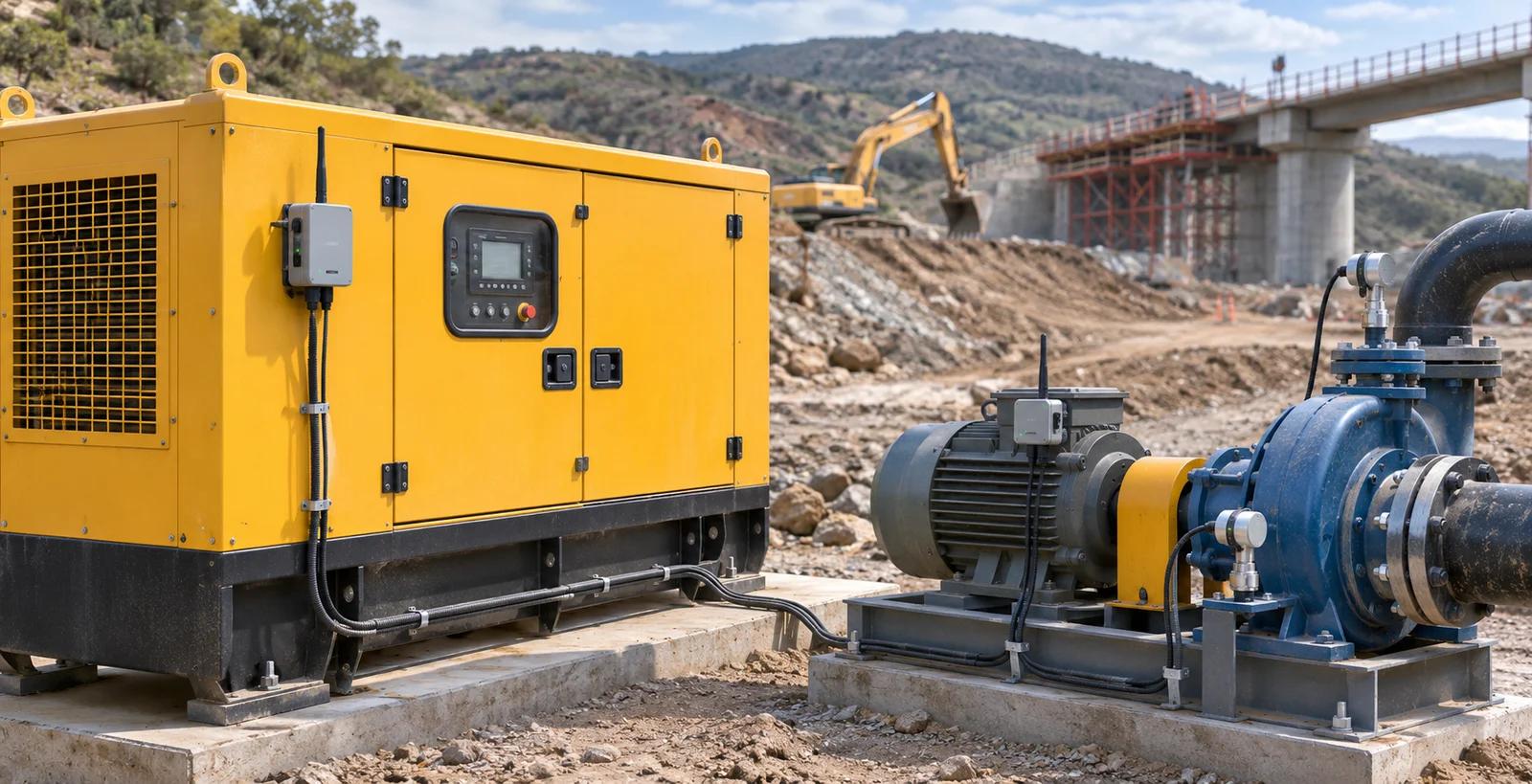
[ TECHNICAL DEEP DIVE ]
Monitoring Remote Pumps, Generators and Machinery: A Partner's Guide
Pumps, generators, and industrial machinery often operate across locations where regular physical supervision is difficult. Construction sites, agricultural facilities, mining operations, utility locations, and remote industrial facilities may have equipment spread across large areas. For businesses managing these assets, knowing their location and understanding their operating condition are important for maintaining operational visibility. Remote equipment monitoring combines GPS tracking devices, wireless sensors, and connected telematics hardware to collect information from machinery and transmit it to a central monitoring platform. Depending on the selected devices and sensors, businesses can access information such as equipment location, operating status, temperature, fuel levels, and other supported parameters. This guide explains how remote monitoring works for pumps, generators, and machinery, along with the key hardware considerations partners should evaluate before recommending a solution.

[ TECHNICAL DEEP DIVE ]
Vehicle and Cargo Oversight for Fuel and Chemical Haulage: A Partner's Guide
Transporting fuel and chemicals involves operational requirements that go beyond conventional freight movement. Tanker operators must monitor vehicle locations, maintain visibility across transport routes, and keep track of cargo-related conditions where applicable. Unexpected stops, route deviations, equipment issues, and limited connectivity can make these operations more difficult to supervise. For fuel distributors, chemical transport companies, and logistics operators, connected monitoring technologies can provide useful information about vehicle movement and selected cargo parameters. GPS tracking devices help monitor vehicle locations and routes, while compatible sensors can collect information such as temperature, fuel levels, and other operating conditions. This guide explains how GPS tracking and cargo monitoring technologies support fuel and chemical transportation and what B2B partners should consider when sourcing hardware for these applications.

[ CASE STUDY ]
GPS Tracking and AI Dashcams for School and Staff Buses: A Partner's Guide
School and staff bus operations require consistent vehicle monitoring, reliable communication, and effective coordination between transport teams. Whether a fleet serves multiple schools, corporate offices, or employee transport routes, operators need visibility into vehicle movement and the ability to review important driving events. GPS tracking devices and AI dashcams offer complementary capabilities to address these requirements. GPS trackers provide location and movement information, while AI dashcams can record road conditions and, depending on the model, monitor selected driver behaviours. When connected to a compatible fleet management platform, these technologies help transport operators access useful information about their vehicles and journeys. This guide explains the key features and considerations partners should evaluate when recommending GPS tracking and AI dashcams for school and staff buses.