
[ CASE STUDY ]
GPS Tracking Hardware: Key Features Every Telematics Reseller Should Know
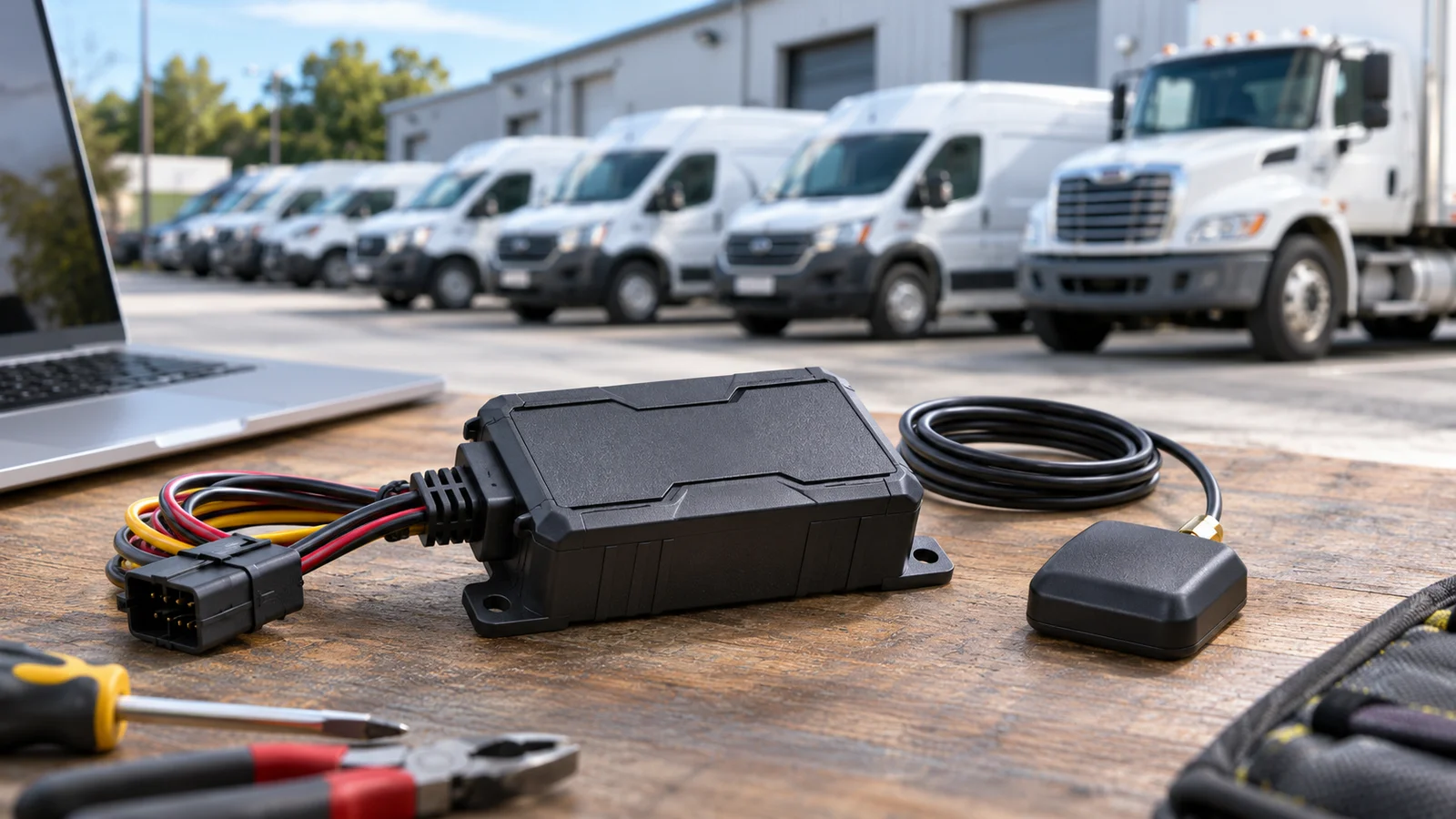
Selecting the right GPS tracking hardware is an important decision for telematics resellers and system integrators. The performance of a tracking solution depends not only on its software platform but also on the capabilities, connectivity, and compatibility of the devices supplying vehicle and asset data. Different customers have different requirements. A transport company may need real-time vehicle tracking, while a construction business may require long-battery GPS asset trackers for equipment operating in remote locations. Similarly, fleet operators managing commercial vehicles may need devices with CAN bus connectivity to access additional vehicle information. For telematics partners, understanding these differences is essential when recommending hardware for customer projects. Evaluating GPS tracker specifications beyond price helps resellers select suitable products, reduce compatibility issues, and build solutions that meet actual operational requirements. Here are the key GPS tracking hardware features every telematics reseller should understand before sourcing devices or recommending them to customers.
GPS Accuracy and Satellite Compatibility
Positioning performance is one of the first specifications to evaluate when selecting GPS tracking devices. A tracker receives signals from satellite navigation systems to calculate a vehicle's or asset's location.
However, not every GPS tracker supports the same satellite systems or positioning capabilities.
What to Check
- GNSS compatibility: Check whether the device supports GPS, GLONASS, Galileo, BeiDou, or other relevant satellite navigation systems.
- Positioning accuracy: Review the manufacturer's stated accuracy and the conditions under which it was measured.
- Update frequency: Check how frequently the device can report location information.
- Antenna configuration: Understand whether the tracker uses an internal or external antenna and whether its positioning requirements suit the intended application.
For resellers, the right choice depends on the customer's operating environment, vehicle type, and tracking requirements. A device intended for basic location monitoring may have different specifications from one used for more demanding tracking applications.
Cellular Connectivity and Network Support
GPS positioning and cellular communication perform different functions. Satellite signals help determine the device's location, while cellular networks allow the tracker to transmit that information to a remote platform.
This distinction is particularly important for customers operating vehicles across multiple countries or regions.
Important Connectivity Features
Before recommending GPS tracking hardware, evaluate:
- Supported 2G, 3G, 4G LTE, or other cellular technologies.
- Compatible frequency bands.
- SIM and eSIM support, where available.
- Network roaming requirements.
- Data transmission protocols.
- Regional network availability.
A GPS tracker that works in one country may not support the network bands or cellular technologies required in another. Telematics resellers serving international customers should verify regional compatibility before sourcing devices in bulk
Offline Data Storage and Buffering
Vehicles do not always travel through areas with reliable cellular coverage. Long-haul transport routes, remote construction locations, and industrial operating environments may experience temporary network interruptions.
GPS tracking hardware with offline data storage can help maintain a record of supported tracking information during these periods.
What Resellers Should Evaluate
- Available internal storage.
- Number of records the device can retain.
- Data transmission behaviour after reconnection.
- Configurable reporting intervals.
- Data handling during extended network interruptions.
It is important to explain that offline buffering does not provide uninterrupted live tracking. Instead, it helps preserve supported records for later transmission.
Power Supply and Battery Performance
Power requirements vary considerably across GPS tracking devices. Vehicle-mounted trackers commonly use the vehicle's electrical supply, while asset tracking devices may operate using internal batteries.
Choosing the correct power configuration is essential for reliable operation.
Common GPS Tracker Power Options
- Vehicle-powered GPS trackers: These devices connect to a vehicle's electrical system and are suitable for applications requiring continuous power and vehicle monitoring.
- Battery-powered GPS trackers: These devices use internal batteries and are useful for monitoring assets where an external power connection is unavailable or impractical.
- Solar-powered GPS trackers: These devices use solar energy to support battery charging, depending on the model and operating conditions. They can be considered for selected remote asset tracking applications.
Key Specifications to Check
Resellers should review operating voltage, power consumption, battery capacity, charging requirements, and power-saving modes.
Input and Output Interfaces
GPS trackers may offer different interfaces that allow them to connect with vehicle systems and external equipment.
These interfaces expand the type of information a device can collect and the functions it can support.
Common interfaces include:
- Digital inputs: Used to monitor external signals, such as ignition status or selected equipment conditions.
- Digital outputs: Can control compatible external devices or trigger configured actions.
- Analog inputs: Used to receive variable electrical signals from compatible sensors.
- RS232 and RS485: Serial communication interfaces used with supported external devices.
- CAN bus: Allows compatible trackers to collect selected vehicle data from the vehicle's electronic systems.
Not every project requires multiple interfaces. Telematics partners should identify which signals and external equipment the customer needs to monitor before selecting a tracker.
Sensor and Peripheral Compatibility
Some tracking projects require more than vehicle location data. Customers may want to monitor fuel levels, temperature, equipment conditions, or other operational parameters.
GPS tracking hardware that supports compatible external sensors can help integrators build broader monitoring solutions.
Depending on the device, connectivity options may include:
- Bluetooth Low Energy (BLE).
- 1-Wire.
- RS232.
- RS485.
- Analog and digital inputs.
For example, a compatible GPS tracker may receive information from a fuel sensor or temperature sensor and transmit the data to a connected telematics platform.
Hardware Compatibility with Telematics Platforms
A GPS tracker must communicate correctly with the customer's chosen software platform to deliver useful information. Hardware and software compatibility should therefore be checked before finalising a product recommendation.
Compatibility Factors to Review
- Supported communication protocols.
- Server and platform configuration requirements.
- Data formats and reporting parameters.
- Firmware compatibility.
- Command and configuration support.
- Availability of technical documentation.
Some telematics platforms support a wide range of GPS tracking devices, while others may require specific protocols or configuration settings.
Device Durability and Environmental Protection
GPS trackers may operate inside vehicles, on exposed assets, or in demanding industrial environments. Their physical design should match the conditions in which they will be used.
Important specifications include:
- Operating temperature range.
- Ingress Protection (IP) rating.
- Resistance to dust and moisture.
- Vibration resistance.
- Housing material and construction.
- Connector and cable protection.
For example, a GPS asset tracker used on outdoor equipment may require different environmental protection from a device installed inside a commercial vehicle.
Resellers should review manufacturer specifications and avoid assuming that all GPS tracking devices are suitable for harsh environments.
Firmware, Configuration and Remote Management
Hardware configuration affects how a GPS tracker collects and transmits information. Reporting intervals, event settings, sensor parameters, and communication settings may need to be adjusted according to the customer's requirements.
Depending on the model, devices may support remote configuration, firmware updates, and management through compatible tools or platforms.
For telematics partners managing multiple device models, clear configuration documentation can make technical support and product management easier.
Technical Documentation and Supplier Support
Product specifications are only one part of hardware selection. Resellers also need access to accurate technical information and dependable supplier support.
A suitable telematics hardware supplier should provide relevant documentation, including:
- Product datasheets.
- Installation and configuration manuals.
- Supported protocol information.
- Interface and wiring details.
- Firmware information.
- Certification documents, where applicable.
- Technical assistance for compatibility questions.
Access to reliable documentation helps system integrators assess devices before recommending them to customers. It also supports smoother product evaluation and troubleshooting.
Conclusion
GPS tracking hardware plays an important role in the performance of fleet and asset monitoring solutions. For telematics resellers, understanding features such as positioning accuracy, cellular connectivity, offline data storage, power options, interfaces, sensor compatibility, and platform support is essential.
The best device is not necessarily the one with the longest feature list or lowest price. It is the one that matches the customer's operating conditions, technical requirements, and software environment.
By evaluating these factors before sourcing products, telematics partners can make more informed hardware recommendations and build solutions that meet their customers' needs.
Partner with IoTedge
Frequently asked questions
GPS tracking hardware refers to electronic devices that use satellite navigation signals to determine the location of vehicles, equipment, or other assets. These devices can transmit location and other supported data to a connected tracking platform through cellular or other communication networks.
Resellers should evaluate GNSS compatibility, positioning accuracy, cellular connectivity, offline data storage, power requirements, input and output interfaces, sensor compatibility, platform support, and environmental protection.
Vehicle GPS trackers are generally designed to connect to a vehicle's power supply and may support ignition monitoring or vehicle data interfaces. Asset GPS trackers are often designed for independent operation using internal batteries or solar-assisted power, depending on the model.
Offline data buffering allows a GPS tracker to store supported records when cellular connectivity is unavailable. Once the connection returns, the device can transmit the stored information to the tracking platform. This helps preserve tracking history during temporary network interruptions.
Resellers should review the device's supported communication protocols, data formats, firmware, and configuration requirements. They should also confirm platform support with the hardware manufacturer or software provider and evaluate sample devices where necessary.
Sources and key takeaways
Telematics
Gulf Market
Saudi Arabia
TDRA Fleet
Hardware
Read Next
All Blogs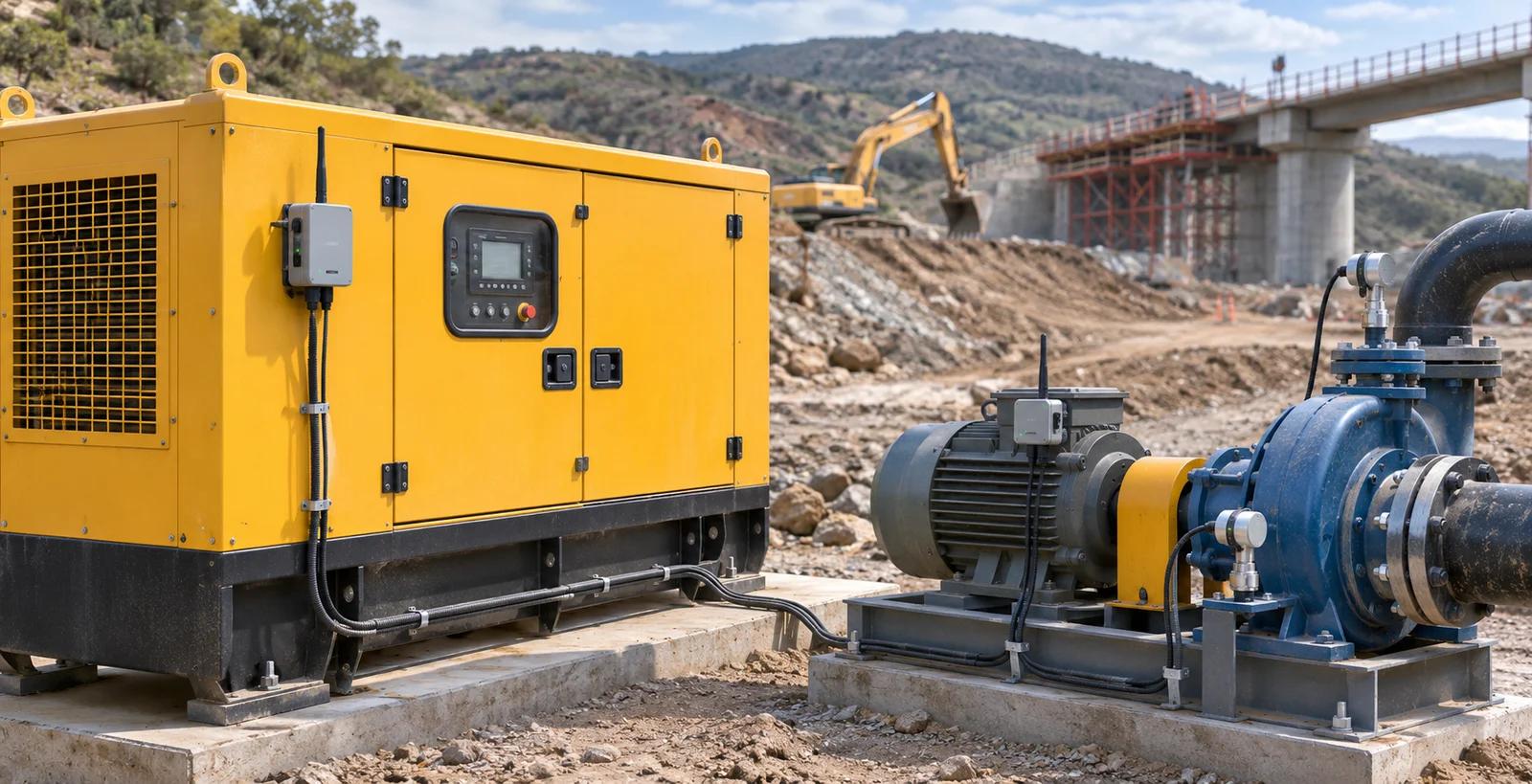
[ TECHNICAL DEEP DIVE ]
Monitoring Remote Pumps, Generators and Machinery: A Partner's Guide
Pumps, generators, and industrial machinery often operate across locations where regular physical supervision is difficult. Construction sites, agricultural facilities, mining operations, utility locations, and remote industrial facilities may have equipment spread across large areas. For businesses managing these assets, knowing their location and understanding their operating condition are important for maintaining operational visibility. Remote equipment monitoring combines GPS tracking devices, wireless sensors, and connected telematics hardware to collect information from machinery and transmit it to a central monitoring platform. Depending on the selected devices and sensors, businesses can access information such as equipment location, operating status, temperature, fuel levels, and other supported parameters. This guide explains how remote monitoring works for pumps, generators, and machinery, along with the key hardware considerations partners should evaluate before recommending a solution.

[ TECHNICAL DEEP DIVE ]
Vehicle and Cargo Oversight for Fuel and Chemical Haulage: A Partner's Guide
Transporting fuel and chemicals involves operational requirements that go beyond conventional freight movement. Tanker operators must monitor vehicle locations, maintain visibility across transport routes, and keep track of cargo-related conditions where applicable. Unexpected stops, route deviations, equipment issues, and limited connectivity can make these operations more difficult to supervise. For fuel distributors, chemical transport companies, and logistics operators, connected monitoring technologies can provide useful information about vehicle movement and selected cargo parameters. GPS tracking devices help monitor vehicle locations and routes, while compatible sensors can collect information such as temperature, fuel levels, and other operating conditions. This guide explains how GPS tracking and cargo monitoring technologies support fuel and chemical transportation and what B2B partners should consider when sourcing hardware for these applications.

[ TECHNICAL DEEP DIVE ]
Temperature and Shipment Monitoring for Cold Chain Fleets: A Partner's Guide
Cold chain transportation requires careful monitoring of both vehicle movement and shipment conditions. Businesses transporting pharmaceuticals, fresh produce, dairy products, frozen goods, and other temperature-sensitive materials must maintain suitable conditions throughout the journey. Delays, equipment issues, and temperature variations can affect product quality and create operational challenges. GPS tracking devices and temperature monitoring sensors help transport operators collect information about vehicle locations and shipment conditions. When connected to a compatible telematics platform, these devices can provide visibility into route progress, temperature readings, and configured alerts. This guide explores the key technologies used in cold chain fleet monitoring and the factors B2B partners should evaluate before recommending hardware.